Non-human microbiome digest, July 3

Parasites, effect of antibiotics in pigs, microbiome of birds, Drosophila, microbiome of plant crops, Hawai’i waters, and bacteria to preserve stone monuments.

Parasites and microbiome

Cooperation and conflict in host manipulation: interactions among macro-parasites and micro-organisms – Frank Cézilly – Frontiers in Microbiology

“Here, we review the empirical evidence in favor of the existence of synergistic or antagonistic interactions between co-occurring parasites, and highlight the neglected role of micro-organisms. “

holobiontHolobiont–Holobiont Interactions: Redefining Host–Parasite Interactions – Nolwenn Marie Dheilly – PLOS Pathogens

“It has been established in different model species that immune system maturation requires the presence of mutualistic bacteria”

Marine mammal microbiome

Screen shot 2014-07-03 at 04.24PM, Jul 03Intestinal helminth fauna of striped dolphins (Stenella coeruleoalba) in the western Mediterranean: No effects of host body length, age and sex – Paula Mateu – Marine Mammal Science

“The intestine of 52 (28 males and 24 females) striped dolphins (Stenella coeruleoalba) from western Mediterranean waters was examined for helminths. Animals were found stranded along the Spanish coasts during the morbillivirus epizootic in 1990.”

Pig microbiome

Screen shot 2014-07-03 at 03.17PM, Jul 03Carbadox has both temporary and lasting effects on the swine gut microbiota – Torey Looft – Frontiers in Microbiology

“Carbadox is an in-feed antibiotic that is widely used in swine production to prevent dysentery and to improve feed efficiency. The goal of this study was to characterize the effects of carbadox and its withdrawal on the swine gut microbiota. ”

Screen shot 2014-07-03 at 03.18PM, Jul 03Learning from agriculture: understanding low-dose antimicrobials as drivers of resistome expansion – Yaqi You – Frontiers in Microbiology

“Unconfined storage or land deposition of a large volume of animal waste causes its wide contact with the environment and drives the expansion of the environmental resistome through mobilome facilitated horizontal genet (sic, EB) transfer. “

Bird microbiome

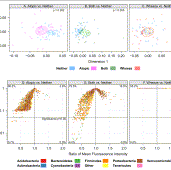
Screen shot 2014-07-03 at 03.18PM, Jul 03Interspecific variations in the faecal microbiota of Procellariiform seabirds – Meagan L. Dewar – FEMS Microbiology Ecology

“Examining the faecal microbiota of three Procellariiform species (short-tailed shearwater, common diving petrel and fairy prion) provided a unique opportunity to not only characterise the gastrointestinal (GI) microbial composition of seabirds but to also examine the influence of stomach oils on the microbial community.”

Insect microbiome

Drosophila modelTransient adult microbiota, gut homeostasis and longevity: Novel insights from the Drosophila model – Berra Erkosar, Francois Leulier – FEBS Letters

“In the last decade, Drosophila has emerged as a useful model to study host–microbiota interactions, creating an active research field with prolific publications.”

Plant microbiome

Screen shot 2014-07-03 at 03.21PM, Jul 03Building the crops of tomorrow: advantages of symbiont-based approaches to improving abiotic stress tolerance – Devin Coleman-Derr – Frontiers in Microbiology

“In recent years, studies have attempted to identify microbial symbionts capable of conferring the same stress-tolerance to their plant hosts, and new developments in genomic technologies have greatly facilitated such research. “
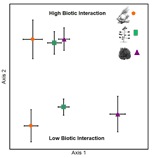
Screen shot 2014-07-03 at 03.21PM, Jul 03Convergence in mycorrhizal fungal communities due to drought, plant competition, parasitism, and susceptibility to herbivory: consequences for fungi and host plants – Catherine A. Gehring – Frontiers in Microbiology

“We found that drought and all three of the biotic interactions studied resulted in similar shifts in ectomycorrhizal fungal community composition, demonstrating a convergence of the community towards dominance by a few closely related fungal taxa.”

Screen shot 2014-07-03 at 03.22PM, Jul 03Nitrogen-fixing Rhizobium-legume symbiosis: are polyploidy and host peptide-governed symbiont differentiation general principles of endosymbiosis? – Gergely Maróti- Frontiers in Microbiology

“This review focuses on symbiotic plant cell development and terminal bacteroid differentiation and demonstrates the crucial roles of symbiotic peptides”

Screen shot 2014-07-03 at 03.22PM, Jul 03Disparate origins of Bradyrhizobium symbionts for invasive populations of Cytisus scoparius (Leguminosae) in North America – Kevin Horn – FEMS Microbiology Ecology

“To identify the geographic origin of nodule bacteria associated with invasion of the European legume Cytisus scoparius in the United States, isolates from 15 sites in six states were compared to > 200 Bradyrhizobium strains from indigenous legumes in the U.S., Mexico, Europe (six countries), Morocco, and Australia. “

Food microbiology
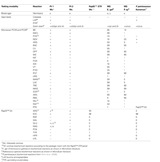
Screen shot 2014-07-03 at 03.24PM, Jul 03Weissella confusa: problems with identification of an opportunistic pathogen that has been found in fermented foods and proposed as a probiotic – Marilynn R. Fairfax – Frontiers in Microbiology

“Weissella confusa is found in fermented foods and has been suggested as a probiotic, but also causes sepsis and other serious infections in humans and animals.”

Stone microbiology

Screen shot 2014-07-03 at 03.24PM, Jul 03 1Application of calcifying bacteria for remediation of stones and cultural heritages – Navdeep Kaur Dhami – Frontiers in Microbiology

“The present review emphasizes about different causative agents leading to deterioration and application of microbially induced calcium carbonate precipitation as a novel and potential technology for dealing with these problems. “

Soil microbiology

Screen shot 2014-07-03 at 03.25PM, Jul 03Volatile-mediated interactions between phylogenetically different soil bacteria
Paolina Garbeva – Frontiers in Microbiology

“Here we report that volatile compounds emitted by different soil bacteria can affect the growth, antibiotic production and gene expression of the soil bacterium Pseudomonas fluorescens Pf0–1. “
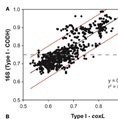
Screen shot 2014-07-03 at 03.27PM, Jul 03Land-use influences the distribution and activity of high affinity CO-oxidizing bacteria associated to type I-coxL genotype in soil – Liliana Quiza – Frontiers in Microbiology

“The main objective of this study was to assess the impact of land-use and soil properties on coxL gene diversity and identify molecular indicators for the soil uptake of atmospheric CO.”

Screen shot 2014-07-03 at 03.26PM, Jul 03Abundance and community structure of ammonia-oxidizing Archaea and Bacteria in response to fertilization and mowing in a temperate steppe in Inner Mongolia
Yong-Liang Chen – FEMS Microbiology Ecology

“… we investigated the effects of nitrogen (N) and phosphorus (P) fertilization and mowing on the abundance and community compositions of ammonia-oxidizing Bacteria (AOB) and Archaea (AOA) upon early (May) and peak (August) plant growth using quantitative PCR (qPCR), terminal-restriction fragment length polymorphism (T-RFLP), cloning and sequencing. “

Water microbiology

Screen shot 2014-07-03 at 03.27PM, Jul 03Biogeography of planktonic and benthic cyanobacteria in coastal waters of the Big Island, Hawai’i – Samuel D. Chamberlain – FEMS Microbiology Ecology

“To understand the patterns of cyanobacterial biogeography in relation to coastal environmental factors, we examined the diversity of planktonic and benthic cyanobacteria at 12 sites along the west coast of Hawaii’s Big Island.”

Screen shot 2014-07-03 at 03.29PM, Jul 03Rhizosphere heterogeneity shapes abundance and activity of sulfur-oxidizing bacteria in vegetated salt marsh sediments – François Thomas – Frontiers in Microbiology

“We combined next-generation amplicon sequencing of 16S rDNA and rRNA libraries with phylogenetic analyses of marker genes for two S-oxidation pathways (soxB and rdsrAB). Gene and transcript numbers of soxB and rdsrAB phylotypes were quantified simultaneously, using newly designed (RT)-qPCR assays.”
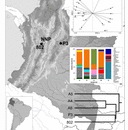
Screen shot 2014-07-03 at 03.28PM, Jul 03Neotropical Andes hot springs harbor diverse and distinct planktonic microbial communities – Luisa Delgado-Serrano – FEMS Microbiology Ecology

“In this study, we describe and compare the planktonic microbial communities present in five high-mountain hot springs with distinct geochemical characteristics, at varying altitudes and geographical locations in the Colombian Andes. “
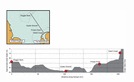
Screen shot 2014-07-03 at 03.29PM, Jul 03Occurrence and activity of anammox bacteria in surface sediments of the southern North Sea – Nicole J. Bale – FEMS Microbiology Ecology

“The presence of anammox bacteria was established through the detection of specific phosphocholine-monoether ladderane lipids, 16S rRNA gene, and hydrazine synthase (hzsA) genes. “
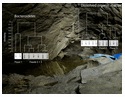
Screen shot 2014-07-03 at 03.29PM, Jul 03 1Bacterial community structure and dissolved organic matter in repeatedly flooded subsurface karst water pools – Tanja Shabarova – FEMS Microbiology Ecology

“Bacterial diversity, community assembly, and the composition of the dissolved organic matter (DOM) were studied in three temporary subsurface karst pools with different flooding regimes.”
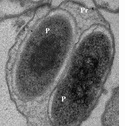
Screen shot 2014-07-03 at 03.30PM, Jul 03Abundance, diversity and seasonal dynamics of predatory bacteria in aquaculture zero discharge systems – Prem P. Kandel – FEMS Microbiology Ecology

“The dynamics of populations belonging to the obligate predators Bdellovibrio and like organisms (BALOs) were analyzed in freshwater and saline ZDS over a 7-month period using QPCR targeting the Bdellovibrionaceae, and the Bacteriovorax and Bacteriolyticum genera in the Bacteriovoracaeae”

[hr]
Non-human microbiome, June 26

Microbiomes of frogs in captivity, insect larvae, Senegalese sole, and Portugese sashimi.

Amphibian microbiome

Panamanian frogThe effect of captivity on the cutaneous bacterial community of the critically endangered Panamanian golden frog (Atelopus zeteki) -Matthew H. Becker – Biological Conservation

“We characterized the cutaneous bacterial community from wild and F1 captive golden frogs originating from the same population with Illumina sequencing to assess how long-term captivity has affected this community. “

Insect microbiome

Screen Shot 2014-06-26 at 9.57.25 PMMicroprofiles of oxygen, redox potential, and pH, and microbial fermentation products in the highly alkaline gut of the saprophagous larva of Penthetria holosericea (Diptera: Bibionidae) – Vladimír Šustr – Journal of Insect Physiology

“We conclude that the digestive strategy of the saprophytic larva of P. holosericea, which feeds selectively on decomposed leaves and its own microbe-rich faeces, differs fundamentally from those of detritivorous and humivorous insects, which host a highly active, fermentative microbiota in their alkaline midgut or hindgut compartments.”

Fish microbiome

SoleBenefits of probiotic administration on growth and performance along metamorphosis and weaning of Senegalese sole (Solea senegalensis) – Carmen Lobo – Aquaculture

“A short pulse of Shewanella putrefaciens Pdp11 probiotic addition (10-30 dah) is sufficient to obtain a suitable microbial modulation in Solea senegalensis larviculture.”

Food microbiology

BozaEvaluation of lactic acid bacterial strains of boza for their exopolysaccharide and enzyme production as a potential adjunct culture – Dilek Heperkan – Process Biochemistry

“Boza is a non-alcoholic beverage obtained from fermented cereals. Thirteen -lactic acid bacteria (LAB), previously isolated from boza were identified and evaluated to determine the various technological properties for selecting appropriate strains as adjunct culture in boza. “

SSashimiPMEvaluation of ready to eat sashimi in northern Portugal restaurants – S. Miguéis – Food Control

“The aim of this study was to evaluate some of the microbiological and physicochemical characteristics of sashimi served at different restaurants in Northern Portugal, in order to determine whether or not the sashimi was safe for consumption.”

Soil, sediments, and rock microbiology

Screen Shot 2014-06-26 at 9.12.55 PMSearching for life in the deep shale – Elizabeth Pennisi – Science

“The two researchers are part of a pioneering effort to explore what is living in the deep layers of rock—and how the gas drilling boom might affect long-isolated ecosystems.”

Screen Shot 2014-06-26 at 9.57.00 PMLong term effects of nutrient management regimes on abundance of bacterial genes and soil biochemical processes for fertility sustainability in a semi-arid tropical Alfisol
Chinnappan Chinnadurai – Geoderma

“Organic manures increased the density of 16S rRNA and nifH gene copies.”

[hr]
 

Non-human microbiome, June 23

What happens with all that triclosan we flush down the drain? Also, baby squirrels, tse-tse flies, pot, and Chinese liquor.

Animal microbiome general 

Two very different papers from the same group, but both are finding that Blautia species are host specific.

Screen Shot 2014-06-23 at 10.57.57 PM

A single genus in the gut microbiome reflects host preference and specificity – A Murat Eren – The ISME Journal

“In our dataset of 57 M sequence reads of the V6 region of the 16S ribosomal RNA gene in samples collected from seven host species, we identified 200 high-resolution taxonomic units within Blautia using oligotyping.” (Humans, cows, swine, deer, chickens)

Screen Shot 2014-06-23 at 11.26.18 PMBlautia and Prevotella sequences distinguish human and animal fecal pollution in Brazil surface waters – Amber M. Koskey – Environmental Microbiology Reports

“We used oligotyping to identify Prevotella and Blautia sequences that can distinguish human fecal contamination. Thirty-five of 61 Blautia oligotypes and 13 of 108 Prevotella oligotypes in humans were specific to or highly abundant (i.e. host-preferred) compared to pig, dog, horse, and cow sources.”

Squirrel microbiome

Screen Shot 2014-06-23 at 11.35.26 PMTemporal Dynamics of the Cecal Gut Microbiota of Juvenile Arctic Ground Squirrels: a Strong Litter Effect across the First Active Season – Timothy J. Stevenson – Applied and Environmental Microbiology  (image courtesy of ego-alterego.com)

“We characterized trends in diversity (454 pyrosequencing), density (flow cytometry), viability (flow cytometry), and metabolism (short-chain fatty acid analysis) of the gut microbial community of juvenile arctic ground squirrels across their first active season at weaning and at 4, 6, 8, and 10 weeks postweaning.”

Insect microbiome

Screen Shot 2014-06-23 at 11.20.33 PMAnalysis of Multiple Tsetse Fly Populations in Uganda Reveals Limited Diversity and Species-Specific Gut Microbiota – Emre Aksoy – Applied and Environmental Microbiology

“We used multiple approaches, including deep sequencing of the V4 hypervariable region of the 16S rRNA gene, 16S rRNA gene clone libraries, and bacterium-specific quantitative PCR (qPCR), to investigate the levels and patterns of gut microbial diversity from a total of 151 individuals.”

Screen Shot 2014-06-23 at 11.22.49 PMMicrobial Population Dynamics in the Hemolymph of Manduca sexta Infected with Xenorhabdus nematophila and the Entomopathogenic Nematode Steinernema carpocapsae – Swati Singh – Applied and Environmental Microbiology

“We show that gut microbes translocate into the hemolymph when the nematode penetrates the insect intestine.”

Screen Shot 2014-06-23 at 11.23.22 PMPurine Biosynthesis, Biofilm Formation, and Persistence of an Insect-Microbe Gut Symbiosis – Jiyeun Kate Kim – Applied and Environmental Microbiology

“When we disrupted purN and purT in the Burkholderia symbiont, the ΔpurN and ΔpurT mutants grew normally, and only the ΔpurT mutant failed to form biofilms. “

Plant microbiome

Plant metabolomics for plant chemical responses to belowground community change by climate change – Sangkyu Park – Journal of Plant Biology

“In this review, we will first summarize recent progress in plant metabolomics methodology and subsequently review recent studies of interactions between plants and soil organisms in relation to climate change issues.”

Bioreactor and sewage microbiology

TriclosanThe Impacts of Triclosan on Anaerobic Community Structures, Function, and Antimicrobial Resistance – Patrick J McNamara – Environmental Science & Technology

“Triclosan amendment caused all of the Bacteria and Archaea communities to structurally diverge from that of the control cultures (based on ARISA).”

Screen Shot 2014-06-23 at 11.24.07 PMShifts in the Microbial Community, Nitrifiers and Denitrifiers in the Biofilm in a Full-scale Rotating Biological Contactor – Xingxing Peng – Environmental Science & Technology

“The objective of this study was to investigate the Microbial community shifts of bacteria, especially nitrifiers and denitrifiers, in the biofilm of two rotating biological contactor (RBC) trains with different running times along the plug flowpath”

Soil microbiology

Screen Shot 2014-06-23 at 11.32.29 PMIdentifying qualitative effects of different grazing types on below-ground communities and function in a long-term field experiment – Catriona A Macdonald – Environmental Microbiology

“All functional community measures (functions, biogeochemical cycling genes, network association between different taxa) were more strongly affected by invertebrate grazers than rabbits.”

Screen Shot 2014-06-23 at 11.25.34 PMExtensive sampling of basidiomycete genomes demonstrates inadequacy of the white-rot/brown-rot paradigm for wood decay fungi – Robert Riley – PNAS

“To test the adequacy of the white/brown-rot categories, we analyzed 33 fungal genomes. Some species lack PODs, and thus resemble brown-rot fungi, but possess the cellulose-degrading apparatus typical of white-rot fungi. “

Food and other consumables microbiology

Screen Shot 2014-06-23 at 11.33.28 PMIf the pot doesn’t worry you, the bacteria might: Food safety a new frontier for legal pot – Kristen Wyatt – The Republic

“In Washington state, where retail sales are expected to begin the week of July 7, regulations call for samples of all marijuana sold for consumption to clear a “microbiological screening,” whether it’s in edible, smokeable or concentrate form.”

Screen Shot 2014-06-23 at 11.34.50 PMStarter Culture Selection for Making Chinese Sesame-Flavored Liquor Based on Microbial Metabolic Activity in Mixed-Culture Fermentation – Qun Wu – Applied and Environmental Microbiology

“To obtain a suitable starter culture for making Chinese sesame-flavored liquor, the yeast and bacterium community structures were investigated during spontaneous and solid-state fermentations of this type of liquor.”

[hr]

Non-human microbiome, June 19

Microbiomes of piggies, chicks, and bread. Yum.

Pig microbiome

Screen Shot 2014-06-19 at 11.04.38 PMCharacterization of the fecal microbiome in different swine groups by high-throughput sequencing – Soo-Je Park – Anaerobe

“High-throughput 16S rRNA gene-based pyrosequencing was used to identify the possible core microorganisms in the gut of swine groups.”

Screen Shot 2014-06-19 at 11.05.40 PMImpact of fibre types on gut microbiota, gut environment and gut function in fattening pigs – H. Chen – Animal Feed Science and Technology

“To be concluded, influences of dietary sources on intestinal microflora and volatile fatty acids seemed to be related to fibre components, which possibly led to the changes in intestinal mucosal digestive physiology and thus affect production parameters of fattening pigs.”

Chicken microbiome

Screen Shot 2014-06-19 at 11.06.06 PMSelection of indigenous lactic acid bacteria to reinforce the intestinal microbiota of newly hatched chicken – Relevance of in vitro and ex vivo methods for strains characterization
Jaime D. Babot – Research in Veterinary Science

“Based on the natural benefits of the indigenous microbiota, lactic acid bacteria (LAB) from poultry origin were isolated from hens and broilers intestine, and their probiotic potential was further studied.”

Food microbiology

Screen Shot 2014-06-19 at 11.06.34 PMQuantitative high-resolution melting PCR analysis for monitoring of fermentation microbiota in sourdough – Xiaoxi B. Lin – International Journal of Food Microbiology

“This study developed two methods based on high-resolution melting curves (HRM) to monitor sourdough microbiota during fermentation and to investigate the effect of cereal substrate on microbial ecology.”

[hr]

Non-human microbiome, June 12

Connected plants are better protected against pathogens, bacteria in olives and peanuts, and hormones made by marine phytoplankton.

Plant microbes

plant connectedEcological and evolutionary effects of fragmentation on infectious disease dynamics – Jussi Jousimo – Science

“To test the combined effects of ecological and evolutionary forces on host-pathogen systems, we analyzed the spatiotemporal dynamics of a plant (Plantago lanceolata)–fungal pathogen (Podosphaera plantaginis)relationship for 12 years in over 4000 host populations. “

Food microbiology

OliveGiarraffa and Grossa di Spagna naturally fermented table olives: Effect of starter and probiotic cultures on chemical, microbiological and sensory traits – C.L. Randazzo – Food Research International

“Multiplex PCR assay of lactic acid bacteria (LAB) showed that L. casei was detected in all samples, L. pentosus was the dominant species in spontaneous samples and in probiotic inoculated samples”

Screen Shot 2014-06-12 at 9.25.22 PMPeanut fractions boost the growth of Lactobacillus casei that alters the interactions between Campylobacter jejuni and host epithelial cells – Serajus Salaheen – Food Research International

“Our data suggest that peanut fraction induced the growth of L. casei which in turn led to a reduction in the growth of C. jejuni as well as its colonization. “

Water microbes

water hormonesPhytoplankton blooms: An overlooked marine source of natural endocrine disrupting chemicals – Yinhan Gong – Ecotoxicology and Environmental Safety

“Selected phytoplankton isolates are potent secretors of estrogenic and androgenic substances.”

[hr]

Non-human microbiomes, June 11

Microbes in mosquitos, beetles and cocoa.

Insect microbiome

Francesco BaldiniEvidence of natural Wolbachia infections in field populations of Anopheles gambiae – Francesco Baldini – Nature Communications

“Here we show evidence of Wolbachia infections in Anopheles gambiae in Burkina Faso, West Africa. Sequencing of the 16S rRNA gene identified Wolbachia sequences in both female and male germlines across two seasons, and determined that these sequences are vertically transmitted from mother to offspring. “

Screen Shot 2014-06-11 at 10.33.17 PMInterspecific communication between pinewood nematode, its insect vector, and associated microbes – Lilin Zhao – Trends in Parasitology

“The causative agent of PWD, the pinewood nematode (PWN), engages in a symbiotic partnership with its insect vector, the Monochamus beetle, as well as associated bacteria and ophiostomatoid fungi, in order to successfully infect and kill its host pine tree.”

Food microbiome

Philpp Adler cocoaThe key to acetate: Metabolic fluxes of acetic acid bacteria under cocoa pulp fermentation simulating conditions – Philipp Adler – Applied and Environmental Microbiology

“Acetic acid bacteria (AAB) play an important role during cocoa fermentation, as their main product acetate is a major driver for development of desired cocoa flavors. Here, we investigated the specialized metabolism of these bacteria under cocoa pulp fermentation simulating conditions.”

[hr]

Non-human microbiomes, June 6

Today, I am delighted to share my new knowledge on The Ultimate Reader of Dung (TURD), palaeosymbiosis, a scientific journal called “Meat Science”, and that everything tastes better with olive oil and paprika covering.

Insect microbiome

Screen Shot 2014-06-07 at 2.17.11 AMSpotting the differences: probing host/microbiota interactions with a dedicated software tool for the analysis of faecal outputs in Drosophila – Matthew T. Wayland – Journal of Insect Physiology

“To facilitate its use, we present here a free, stand-alone dedicated software tool for the analysis of fly excreta. The Ultimate Reader of Dung (T.U.R.D.) is designed to offer a flexible environment for a wide range of experimental designs, with special attention to automation and high-throughput processing.”

Screen Shot 2014-06-07 at 2.19.09 AMThe gut microbiota of larvae of Rhynchophorus ferrugineus Oliver (Coleoptera: Curculionidae) – Tagliavia M – BMC Microbiology

“The RPW gut microbiota is composed mainly of facultative and obligate anaerobic bacteria with a fermentative metabolism. These bacteria are supposedly responsible for palm tissue fermentation in the tunnels where RPW larvae thrive and might have a key role in the insect nutrition, and other functions that need to be investigated.”

Nematode microbiome

Screen Shot 2014-06-07 at 2.18.06 AMPalaeosymbiosis Revealed by Genomic Fossils of Wolbachia in a Strongyloidean Nematode Georgios Koutsovoulos – PLOS Genetics

“We generated a draft genome sequence for the strongyloidean nematode parasite Dictyocaulus viviparus, the cattle lungworm. In the assembly, we identified nearly 1 Mb of sequence with similarity to Wolbachia. “

Food microbiome

Screen Shot 2014-06-07 at 2.20.26 AMMonitoring of the microbiota profile in nukadoko, a naturally fermented rice bran bed for pickling vegetables – Hiroshi Ono – Journal of Bioscience and Bioengineering

“Nukadoko is a fermented rice bran mash traditionally used for pickling vegetables in Japan. To date, the production of both homemade and commercial nukadoko depends on natural fermentation without using starter cultures. Here, we monitored chemical and microbiological changes in the initial batch fermentation of nukadoko. “

Food MicrobiologyExploitation of Albanian wheat cultivars: characterization of the flours and lactic acid bacteria microbiota, and selection of starters for sourdough fermentation – Luana Nionelli – Food Microbiology

“Type I sourdoughs were prepared through back slopping procedure, and the lactic acid bacteria were typed and identified. Lactobacillus plantarum and Leuconostoc mesenteroides were the predominant species.”

Screen Shot 2014-06-07 at 2.22.09 AMrRNA-based monitoring of the microbiota involved in Fontina PDO cheese production in relation to different stages of cow lactation – Paola Dolci – International Journal of Food Microbiology

“The aim of the present paper was to investigate the bacterial dynamics during Fontina PDO cheese manufacturing and ripening, in relation to the different lactation stages, in order to evaluate a possible correlation between microbiota and phase of lactation. “

Screen Shot 2014-06-07 at 2.27.04 AMAntifungal activity and identification of Lactobacilli, isolated from traditional dairy product “katak” – Rositsa Tropcheva – Anaerobe

“In the present study, four active strains were isolated from traditional fermented curd/yogurt-like product “katak”, produced in Bulgaria from centuries. The new isolates KR3, KR4, KR51 and KR53 were identified by API 50 CH biochemical test and different molecular methods (species-specific PCR, RAPD-PCR and 16S rDNA sequence analysis) as Lactobacillus brevis.”

Screen Shot 2014-06-07 at 2.26.05 AMMicrobiological and physicochemical characterization of dry-cured Halal goat meat. Effect of salting time and addition of olive oil and paprika covering – Sanâa Cherroud – Meat Science

“Molecular analysis proves that staphylococci, especially S. xylosus and S. equorum, were characterized as the most common naturally occurring microbiota. The best manufacturing process would be obtained with a longer salting time and the addition of the olive oil and paprika covering.”

Environmental microbiome

Screen Shot 2014-06-07 at 2.00.39 AMEffects of early-life exposure to allergens and bacteria on recurrent wheeze and atopy in urban children – Susan V. Lynch – The Journal of Allergy and Clinical Immunology

“….first-year exposure to cockroach, mouse, and cat allergens was negatively associated with recurrent wheeze…. House dust microbiome composition is associated with clinical outcomes. 

[hr]