
Today we’ll cover the lung microbiome, salivary gland function, NEC, and sequencing of cosmid clones.
Oral microbiome
 Autophagy Correlates with Maintenance of Salivary Gland Function Following Radiation – Maria Morgan-Bathke – Nature Scientific Reports
“Thus, autophagy appears to play a beneficial role in salivary glands following radiation”
 Ubiquitous Sialometabolism Present among Oral Fusobacteria – Saori Yoneda – PLOS ONE
“Using microarray analysis, we examined the transcriptional response of F. nucleatum subspecies nucleatum to whole blood in order to identify some of the genetic responses that might occur during the transition from health to disease.”
NYU and UCSF researchers develop a framework for monitoring oral cancer – ScienceCodex
“”We know that other cancers, including gallbladder, colon, lung and prostate, have been associated with particular bacterial infections, so we hypothesized that shifts in the composition of the normal oral cavity microbiome could be promoters or causes of oral cancer,” said Dr. Albertson.”
Respiratory microbiome
 Breathing Life into Lung Microbiome Research – Rina Shaikh-Lesko – The Scientist
“Although it’s far less populated than the mouth community that helps feed it, researchers increasingly appreciate the role of the lung microbiome in respiratory health.”
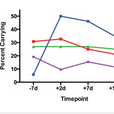 Impact of Experimental Human Pneumococcal Carriage on Nasopharyngeal Bacterial Densities in Healthy Adults – Joshua R. Shak – PLOS ONE
“To better understand how these bacteria change in relation to pneumococcal colonization, we used species-specific quantitative PCR to examine bacterial densities in 52 subjects 7 days before, and 2, 7, and 14 days after controlled inoculation of healthy human adults with S. pneumoniae serotype 6B.”
Pregnancy and Birth
 Moderate and Late Preterm Birth: Effect on Brain Size and Maturation at Term-Equivalent Age – Jennifer M. Walsh – Radiology
“MLPT birth is associated with smaller brain size, less-developed myelination of the posterior limb of the internal capsule, and more immature gyral folding than those associated with full-term birth. “
Preemie Research Highlights Concerns With Human Experimentation – Frederick Reese – Mintpress
“Parents weren’t fully aware of the risks associated with a medical research trial they allowed their babies to participate in.”
 Small Intestinal Intraepithelial TCRγδ+ T Lymphocytes Are Present in the Premature Intestine but Selectively Reduced in Surgical Necrotizing Enterocolitis – Jörn-Hendrik Weitkamp – PLOS ONE
“In human preterm infants, the proportion of IEL was reduced by 66% in 11 NEC ileum resections compared to 30 non-NEC controls (p<0.001). While γδ IEL dominated over conventional αβ IEL early in gestation in mice and in humans, γδ IEL were preferential decreased in the ileum of surgical NEC patients compared to non-NEC controls (50% reduction, p<0.05).”
Antibiotics and microbiome
“Synthetic Biologics, Inc. (nyse mkt:SYN), a developer of novel anti-infective biologic and drug candidates targeting specific pathogens that cause serious infections and diseases, and Enterome Bioscience SA, a pioneer in the development of innovative disease management solutions based on a deep understanding of the gut microbiome, today announced that they have entered into an agreement to conduct metagenomic research on the effects of beta-lactam antibiotics on the gastrointestinal microflora (microbiome) of human patients”
Animal models of human disease
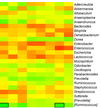 Saccharomyces boulardii Administration Changes Gut Microbiota and Reduces Hepatic Steatosis, Low-Grade Inflammation, and Fat Mass in Obese and Type 2 Diabetic db/db Mice – Amandine Everard – mBio
“Here we found that type 2 diabetic and obese mice (db/db) treated with Saccharomyces boulardii exhibited reduced body weight, fat mass, hepatic steatosis, and inflammatory tone. “
Metagenomics and sequencing
 Evaluation of a Pooled Strategy for High-Throughput Sequencing of Cosmid Clones from Metagenomic Libraries – Kathy N. Lam – PLOS ONE
“We investigated a hybrid Sanger/Illumina pooled sequencing strategy that omits barcoding altogether, and we evaluated this strategy by comparing the pooled sequencing results to reference sequence data obtained from traditional barcode-based sequencing of the same set of clones. “
[hr]
 Microbiome Digest - Bik's Picks